Trading, A Simple and Effective Approach to Success
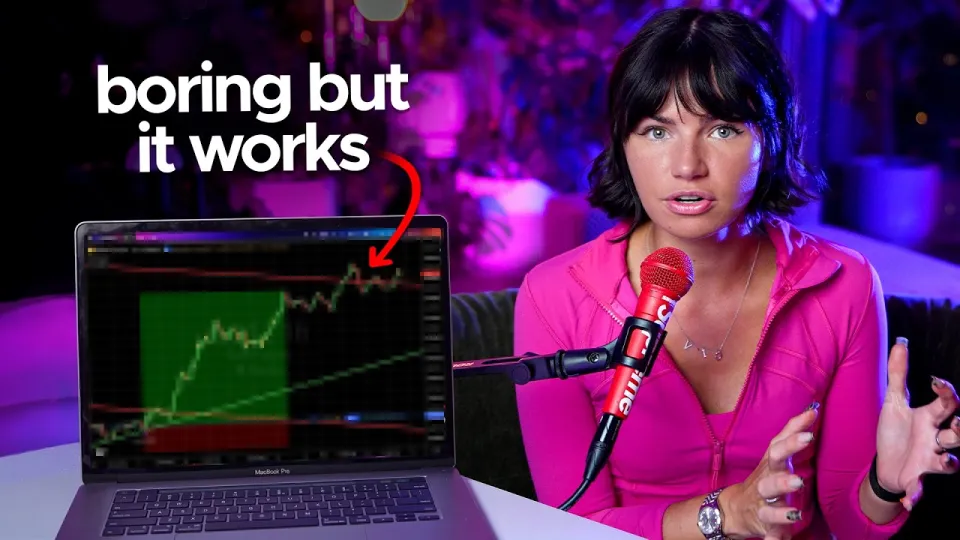
Video: Unfortunately, trading really is this simple
Want articles like this for your own video to promote it on YouTube and Google? Order them through the Telegram bot @sat_sit_bot. The bot writes and publishes the articles itself (with your YouTube video embedded) on popular topical websites (no ads). Try it free: 50 articles on us.
· based on the channel Tori Trades
Trading is often perceived as complex, but it really can be simple and accessible. You don't need an economics degree or advanced math skills to be successful. By using a clear system based on trendlines and managing risk effectively, traders can enter and exit futures trades confidently and profitably. For those interested, joining the Tori Trades waitlist offers access to valuable resources and guidance.
Understanding the Basics of Trading
Trading involves buying and selling financial instruments like futures contracts to profit from price movements. Futures trading is popular due to its leverage and liquidity. It’s important to realize that success in trading comes from discipline, strategy, and risk management, rather than complicated theories or formulas. Many traders, including those featured on the Tori Trades channel, use straightforward setups such as trendlines to identify trade opportunities.
Using Trendlines for Trading Futures
Trendlines are drawn on price charts to connect significant highs or lows, helping traders recognize the direction and strength of a trend. The basic steps to apply trendlines in futures trading include:
- Identify the prevailing trend by connecting two or more swing highs or lows.
- Confirm the trendline’s validity by checking if price respects the line multiple times.
- Enter trades near the trendline bounce or breakout points.
- Set stop-loss orders just beyond the trendline to limit risk.
This method simplifies decision-making and helps traders anticipate potential reversals or continuation patterns. Trendlines work well in various markets, including gold futures and forex, but traders must be prepared for volatility spikes that can momentarily breach lines.
Managing Risks in Volatile Markets
Volatility is inherent in markets like gold futures, which can shift from calm to extremely fast movements within seconds. Effective risk management is critical:
- Use tight stop-losses just below or above trendlines to protect capital.
- Limit position sizes to a comfortable risk level.
- Monitor trades actively to exit quickly if momentum shifts.
- Avoid chasing trades during sudden price surges to prevent large losses.
By controlling risk, traders reduce the chance of catastrophic losses and maintain longevity in the markets. This approach is emphasized by experienced traders like those on Tori Trades, who share methods to manage unpredictable price swings.
Tracking and Reviewing Trades
Keeping detailed records of all trades is vital for improvement. Platforms like TradeZella help traders track entries, exits, profits, and losses systematically. This record-keeping allows for:
- Analyzing the effectiveness of strategies over time.
- Identifying patterns in winning and losing trades.
- Adjusting tactics based on past performance.
Consistent tracking fosters discipline and helps traders avoid repeating mistakes. Tori Trades recommends such tools to enhance transparency and learning.
Common Questions and Misconceptions in Trading
Many new traders wonder about stop placement, trade entry timing, and differences between futures and stocks. For example, stop-loss placement just beyond trendlines is a common practice to balance risk and avoid premature exits. It’s also important to note that futures markets differ from stocks in volatility and leverage, affecting trade management. Some traders expect smooth price action, but real markets often feature rapid moves requiring quick decisions.
Useful Links
- Join the waitlist for exclusive trading strategies and bonuses: https://go.toritradez.com/waitlist-1009
- Track your trades like a pro: https://www.tradezella.com/?via=victoria (Use code TORI20 for a discount)
- Broker used by Tori Trades: https://www.tradestation.com/promo/toritrades/
- Follow Tori Trades on Instagram: https://www.instagram.com/tori.trades.futures/
Conclusion
Trading can be straightforward when using simple, proven techniques like trendline analysis and effective risk management. Futures markets offer exciting opportunities, but success depends on discipline, tracking performance, and adapting strategies. The Tori Trades channel provides practical insights and step-by-step guidance for traders at all levels. Explore the Tori Trades waitlist to access valuable tools and community support for your trading journey.
Key takeaways
- Trading does not require advanced math or economics degrees.
- Trendlines are key tools for entry and exit decisions in futures trading.
- Risk management is crucial due to market volatility, especially in gold futures.
- Tracking trades with tools like TradeZella improves discipline and results.
- Tori Trades offers practical futures trading strategies accessible to all.
Questions & answers
Do I need advanced math or finance degrees to start trading futures?
No, trading futures does not require advanced math skills or finance degrees. Successful trading is more about understanding market behavior, using straightforward strategies like trendlines, and managing risk effectively.
How do I decide where to place stop-loss orders when trading with trendlines?
A common approach is to place stop-loss orders just beyond the trendline, allowing some space for normal market fluctuations without risking excessive loss. This protects your position if the price breaks the trendline, signaling a possible trend reversal.
What makes futures trading different from stock trading?
Futures trading involves contracts with leverage and often higher volatility compared to stocks. This means price movements can be faster and more pronounced, requiring active management and risk control. Additionally, futures markets may behave differently due to liquidity and participant types.
How can I track and improve my trading performance?
Using tools like TradeZella to log your trades helps you analyze results over time. Tracking entries, exits, profits, and losses allows you to identify successful strategies and mistakes, enabling you to refine your approach and become a more disciplined trader.
Source: Unfortunately, trading really is this simple · Markdown version